Education today is not limited to textbooks, lectures, and examinations. As the world becomes more dynamic and interconnected, students need more than theoretical knowledge to succeed. They must develop critical thinking, collaboration, adaptability, and real-world problem-solving abilities.
This is where Experiential Learning plays a transformative role. By focusing on learning through experience, reflection, and application, experiential learning helps students connect classroom knowledge to real-life situations.
For parents and educators seeking meaningful educational approaches, understanding experiential learning can provide valuable insight into how modern education prepares students for the future.
What Is Experiential Learning?
Experiential Learning is a teaching approach where students learn by actively engaging in experiences rather than passively receiving information. It involves:
- Learning by doing
- Reflecting on experiences
- Applying knowledge to real situations
- Developing practical skills
Instead of memorising facts, students participate in activities such as projects, experiments, field visits, role-playing, and collaborative tasks. These experiences encourage deeper understanding and long-term retention.
Many best schools in whitefield are gradually incorporating experiential methods to support holistic student development.
Why Experiential Learning Matters in Modern Education
1. Bridges Theory and Practice
Students often struggle to understand how textbook knowledge applies to real life. Experiential learning closes this gap by allowing them to see concepts in action.
For example, a science lesson on ecosystems becomes more meaningful when students visit a nature reserve or conduct observations outdoors.
2. Encourages Active Participation
When students are actively involved, they become more interested and motivated. Participation fosters curiosity and independent thinking.
Rather than listening passively, students:
Ask questions
Explore solutions
Engage in discussions
Take ownership of learning
3. Develops Real-World Skills
Experiential learning builds skills essential for future success, including:
Communication
Teamwork
Leadership
Decision-making
Problem-solving
These competencies are increasingly valued in higher education and professional environments.
4. Improves Retention and Understanding
Research consistently shows that students remember more when they learn through experience. Practical engagement reinforces concepts and reduces reliance on rote memorisation.
Key Methods Used in Experiential Learning
1. Project-Based Learning
Students work on long-term projects that address real-world problems. This method integrates multiple subjects and promotes research and collaboration.
2. Field Trips and Educational Visits
Visits to museums, industries, historical sites, and nature parks provide first-hand exposure to learning topics. These trips make abstract concepts tangible.
Several icse schools whitefield incorporate structured educational visits aligned with curriculum goals.
3. Laboratory Experiments
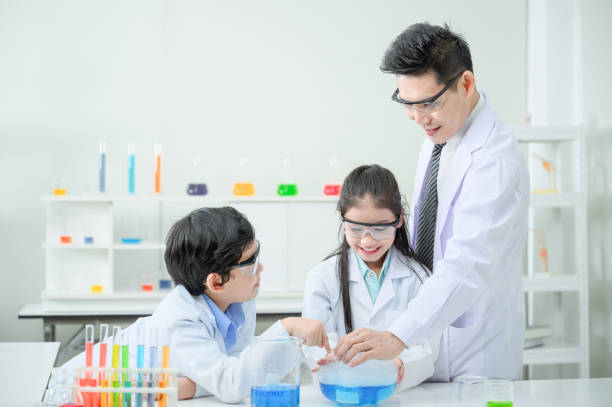
Hands-on experiments in science and technology subjects allow students to test theories and observe results directly.
4. Role-Playing and Simulations
Activities like mock debates, model governments, and business simulations help students understand different perspectives and decision-making processes.
5. Community-Based Learning
Students participate in social initiatives such as environmental drives or community surveys. This builds social awareness and responsibility.
Role of Teachers in Experiential Learning
Teachers play a crucial role in guiding experiential education. Their responsibilities include:
- Designing meaningful activities
- Facilitating reflection after experiences
- Encouraging student inquiry
- Connecting experiences to academic concepts
Rather than being the sole source of information, teachers act as mentors who support exploration and discovery.
Institutions like best icse schools in whitefield often provide teacher training to effectively implement experiential strategies.
Benefits of Experiential Learning for Students
1. Confidence Building
Students gain confidence when they successfully complete tasks and solve problems independently.
2. Better Engagement
Interactive activities reduce boredom and increase attention.
3. Stronger Social Skills
Group tasks improve communication and cooperation.
4. Emotional Development
Experiences help students understand emotions, empathy, and teamwork.
5. Lifelong Learning Habits
Students become curious learners who enjoy exploring beyond textbooks.
Challenges in Implementing Experiential Learning
While beneficial, experiential learning requires careful planning.
1. Time Requirements
Activities may take longer than traditional lectures.
2. Resource Needs
Schools may need labs, materials, or transport for field trips.
3. Assessment Methods
Evaluating experiential learning may require alternative assessment styles like portfolios or presentations.
Many best icse schools in kadugodi adopt a balanced approach, combining experiential and traditional methods to maintain academic standards.
How Parents Can Support Experiential Learning
Parents can reinforce experiential education at home by:
- Encouraging curiosity and questions
- Supporting hobby projects
- Allowing safe exploration
- Visiting museums or cultural sites
- Discussing real-world issues
A supportive home environment enhances the benefits of experiential learning.
Experiential Learning and Future Readiness
As careers evolve, students must be prepared for unpredictable challenges. Experiential learning nurtures adaptability and creative thinking, which are essential for future success.
Modern education increasingly values skills over memorised knowledge. Students who experience learning actively are better prepared for higher studies and professional environments.
Conclusion
Experiential Learning is reshaping education by moving beyond passive instruction to active engagement. It allows students to connect knowledge with real-life experiences, making learning meaningful and lasting.
For parents and students evaluating educational approaches, experiential learning offers a balanced pathway to academic understanding and life skills development. Schools that thoughtfully integrate experiential opportunities help learners become confident, capable, and curious individuals.
Education is most powerful when students do not just learn about the world — but learn from interacting with it.
FAQs
- What is experiential learning?
Experiential learning is a method where students learn through direct experiences and reflection rather than only through lectures. - Is experiential learning suitable for all subjects?
Yes, it can be adapted for science, social studies, language, and even mathematics. - Does experiential learning replace textbooks?
No, it complements textbooks by providing practical understanding. - How does experiential learning help children?
It improves engagement, understanding, confidence, and real-world skills. - Can experiential learning improve academic performance?
Yes, students often show better retention and conceptual clarity.